
Tips for Choosing the Right Retreat Venue to Rent
You’ve got the idea. You know who you’re bringing, what kind of experience you want to create, and maybe even a few dates circled.
The vision is coming together, now it’s time to choose the venue.
And that’s where it gets complicated.
Hotels feel too generic. Big houses aren’t always built for groups. Retreat centers can be expensive, rigid, or just... not the vibe.
With so many options out there, it’s easy to feel stuck. What actually matters? What makes a retreat work?
As someone who has hosted my own retreats and helped dozens of other planners do the same, I’ve seen firsthand what can make or break the experience.
It’s not just about square footage or a pretty setting. It’s about how the space supports your group, your flow, and your purpose.
This guide is here to simplify the decision. To give you a framework that makes sense whether you’re planning a wellness weekend, a team strategy session, or a creative reset.
Because the venue isn’t just a backdrop. It shapes how people feel, connect, and participate - start to finish.
Start with the Experience You Want to Create
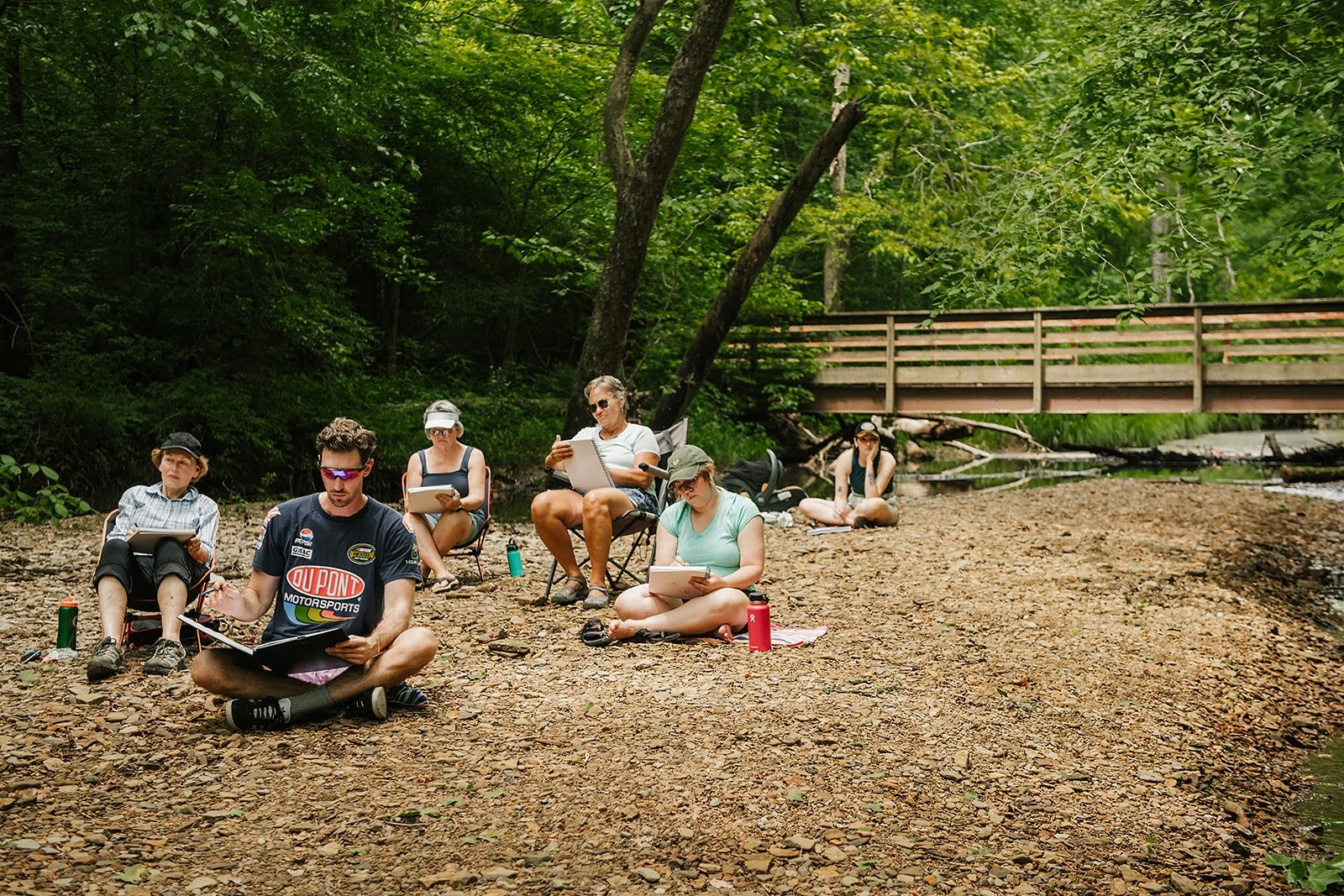
Before you start comparing venues, pause and come back to the “why.”
What kind of retreat are you really planning?
Is it meant to bring people together for deep connection?
Do you want space for quiet reflection or creative output?
Are you building in movement, meals, workshops, or unstructured time?
Instead of looking at amenities first, start by imagining the experience you want your group to have, from arrival to closing circle. Then ask:
What kind of space enables that experience?
What gets in the way of it?
A wellness retreat built around grounding and flow probably doesn’t need a space with a booming sound system and neon bar lights.
A team offsite focused on big-picture strategy probably needs more than one giant living room and a few barstools.
A great retreat venue doesn’t just accommodate your agenda, it enhances it.
The 5 Features That Actually Matter in a Retreat Venue
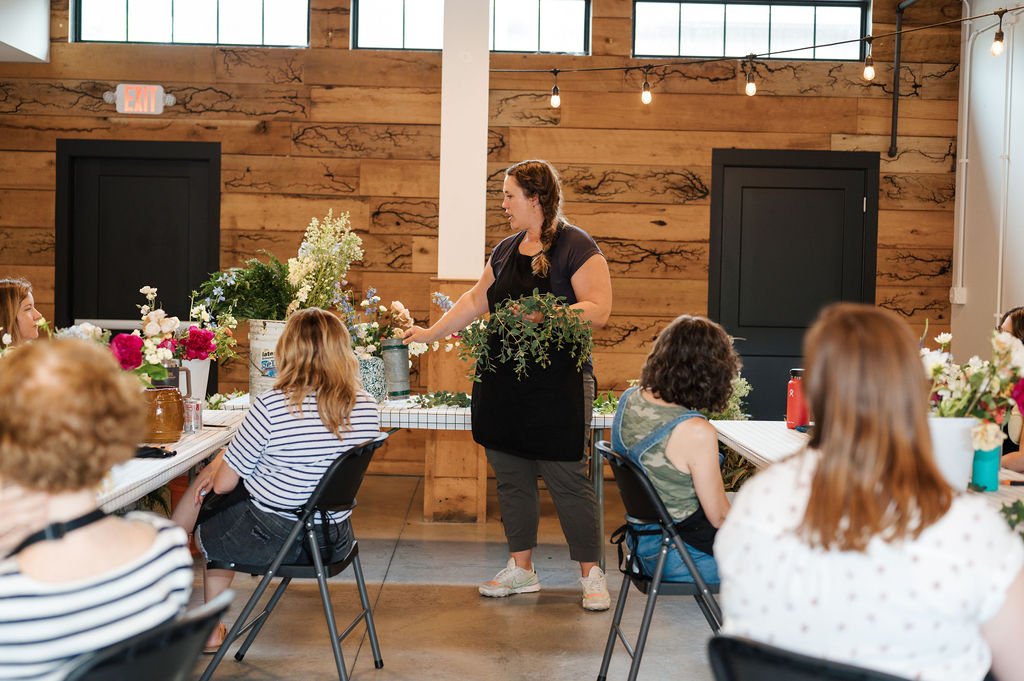
Retreat venues come in all shapes and sizes, from vacation rentals and boutique lodges to conference centers and converted barns.
But not all of them are built to support the actual flow of a retreat.
Here’s what matters most when you're choosing a space that works in real life, not just in photos.
1. Purpose-Built Layouts (Not Just Big Houses)
A house that sleeps 20 isn’t automatically retreat-ready. Look for spaces that intentionally separate private areas for rest and communal areas for connection.
Bonus points if the venue includes:
Multiple kitchens for breakout cooking or dietary needs
Separate gathering areas for different parts of your agenda
Flexible layouts that support both group time and downtime
2. Flexible Gathering Spaces (Beyond the Living Room)
Most retreats need at least one area that’s designed for group interaction, not just lounging.
Look for:
Movable furniture (so you’re not stuck with one setup)
Open floor plans with space to spread out
AV equipment if you need it (projectors, speakers, etc.)
Natural light and good acoustics for workshops, yoga, meals, or strategy sessions
A space that works for both movement and stillness gives you room to adjust your programming on the fly.
3. Walkability + Outdoor Access
The best retreats have room to breathe. That doesn’t mean they need to be deep in the woods but you want easy access to nature, fresh air, and a change of scenery when needed.
Look for venues that are:
Near trails, parks, or quiet streets
Walkable to coffee shops or local stores (bonus: less driving)
Grounded in a peaceful setting without being hard to reach
Even a quick walk between sessions can give your group the space they need to reset.
4. Thoughtful Amenities That Reduce Your To-Do List
Retreat planners already have enough on their plate. The right venue will help take a few things off of it.
Prioritize spaces that include:
Well-stocked kitchens (or multiple kitchenettes)
Furnished event space with tables, chairs, and serving ware
High-speed WiFi
Supplies or extras you’d otherwise have to rent or bring yourself
Every amenity that’s already in place is one less thing to track, budget, or pack.
5. A Vibe That Matches Your Vision
Finally, trust your instincts. A space might look great on paper but does it actually feel like the right place for your group?
Ask yourself:
Will this space support the kind of energy I want to create?
Will it add clarity, calm, and connection or just make things harder?
For example:
A business retreat needs comfort, not luxury
A wellness retreat needs simplicity and calm, not bold decor or distractions
A creative retreat needs inspiration, not overstimulation
What Doesn’t Matter as Much as You Think
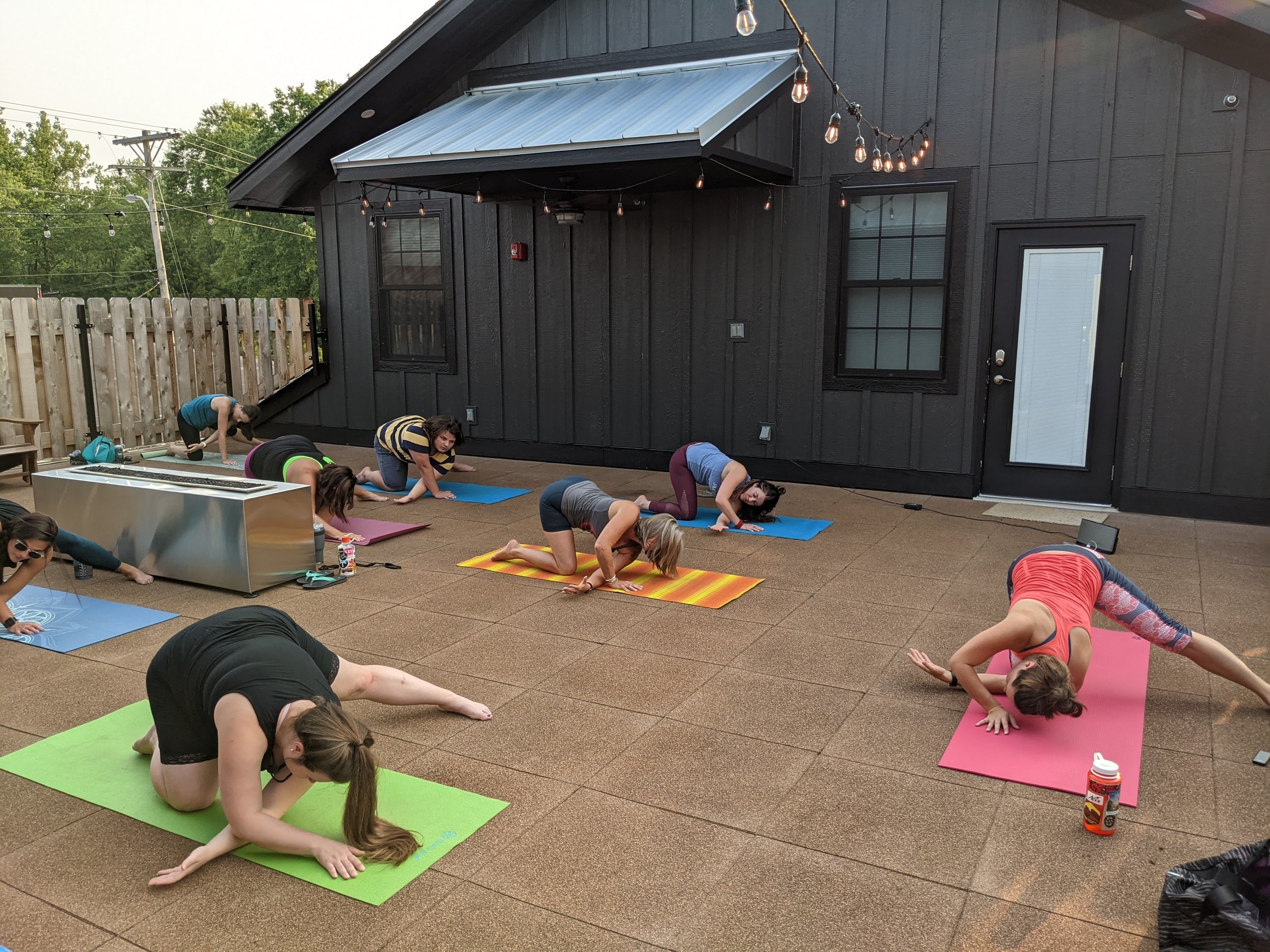
When you're choosing a retreat venue, it's easy to get caught up in features that sound important but don't actually impact how the retreat flows.
Here’s what planners often over-prioritize (and what to focus on instead):
“Size” isn’t the same as capacity
Just because a space sleeps 20 doesn’t mean it’s comfortable for 20 people.
If the layout funnels everyone into one common area or shares one bathroom across three bedrooms, it’ll feel cramped fast.
Instead → Prioritize flow and flexibility, not just square footage.
“Luxury” doesn’t always mean better
High-end finishes don’t guarantee a smooth experience.
In fact, ultra-lux spaces can feel intimidating or inflexible - especially if you're trying to create comfort, creativity, or connection.
Instead → Focus on ease, comfort, and functionality over visual flash.
“Instagrammable” doesn’t mean comfortable
Beautiful spaces that photograph well aren’t always designed for group hosting. If there’s no real gathering space or the furniture is more decorative than functional, your retreat will feel disjointed.
Instead → Look for spaces that are built to be lived in, not just looked at.
Proximity to an airport isn’t everything
Yes, accessibility matters. But sometimes an “easy to get to” venue still involves traffic, transfers, or tight timelines that wear people out before the retreat even begins.
Instead → Consider the total travel experience, not just the distance.
Don’t choose a venue that looks good in theory, choose one that works well in reality.

Red Flags That Signal a Space Might Not Work
Even if a venue looks promising on the surface, there are a few signs that it might not support your retreat in practice. These aren’t dealbreakers for every group but they’re worth watching for.
🚩 No dedicated gathering space
If your only option for group time is a living room or kitchen table, your programming will feel cramped or worse, disorganized. You need a space where people can move, focus, and be together with intention.
🚩 No private sleeping areas or limited bathrooms
Retreats only work if people feel comfortable. Sharing a bed or waiting in line for a single bathroom can wear down even the most easygoing guests. Respect the need for rest and privacy, it shapes how people show up for everything else.
🚩 Complicated logistics
If it takes multiple steps just to access the property or if it’s far from food, nature, or town - you’ll spend more time coordinating and less time connecting. Look for venues that make arrival, movement, and group flow simple.
🚩 A party-first vibe
If the space is clearly geared toward bachelorette parties or late-night rentals, it may not support the kind of energy your retreat needs. Loud decor, themed signage, or tight communal areas are often signs it's not set up for reflection or group work.
Even great spaces can be wrong for a retreat. If you’re questioning whether it “feels right,” you’re probably right to pause.

How to Know When You’ve Found the Right Venue
You’ve looked at photos, scanned amenities, maybe even made a spreadsheet. But at a certain point, it stops being about boxes checked and starts being about how the space feels.
Here’s how you know it’s a good fit:
It supports the flow of your retreat without friction
You can picture your exact agenda unfolding there, without major adjustments
It makes your job easier, not more complicated
It feels like a container for your group, not just a place to stay
The right venue doesn’t need to be flashy or perfect. It just needs to work for your people and your purpose.
If you’re nodding along, you’re probably close. From here, it’s about matching your retreat’s purpose to the right kind of space.
Next Steps: Matching Your Retreat Type to the Right Kind of Space
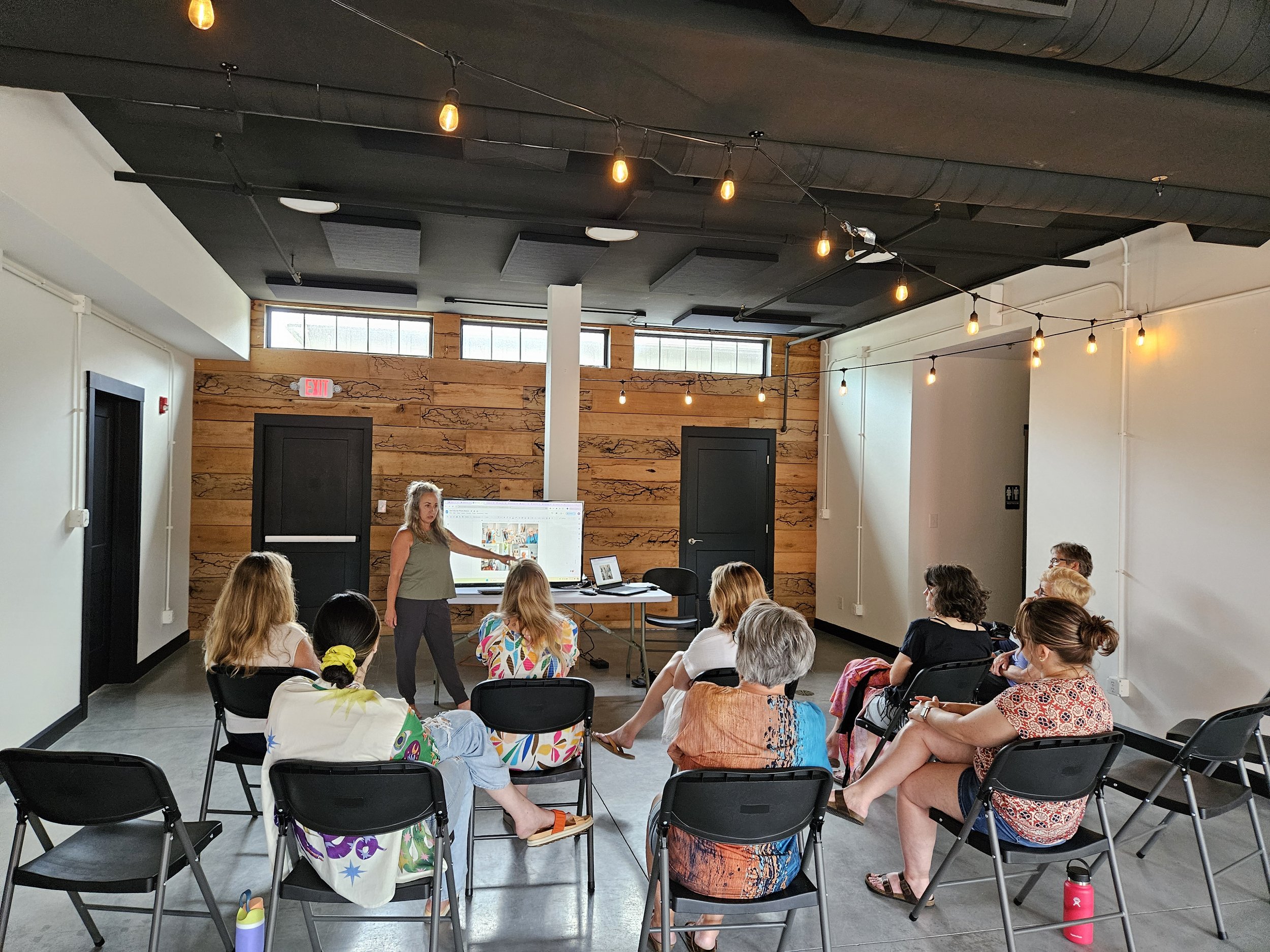
Not every retreat needs the same setup. A venue that’s perfect for a quiet creative gathering might fall flat for a team strategy session and vice versa.
Once you’ve clarified your goals, your next step is to find a space that fits the kind of retreat you’re hosting.
Here’s where to start:
Why Brown County, Indiana Is Perfect for Hosting a Wellness Retreat
For planners focused on rest, movement, and reconnection - with a calm, nourishing backdropBest Business Retreat Locations: Why Your Team Will Love the Brown County Barn Burner
For teams who want space to think, plan, reset, and actually enjoy the time together